An honest look at what safety and love can look like when a child's nervous system was wired for survival, not connection. Written by a mom asking for understanding.
"Our family is currently navigating the heartbreaking reality of trying to find appropriate healing, stabilization, and long-term support for our son. He has significant trauma-related emotional, behavioral, and attachment needs stemming from severe early childhood adversity while in utero and foster care. He currently has diagnoses including PTSD, along with significant disruptive behavioral symptoms and possible Oppositional Defiant Disorder. Professionals familiar with his case have also identified severe Reactive Attachment Disorder traits. His struggles impact nearly every aspect of daily family life." Salvo Family E
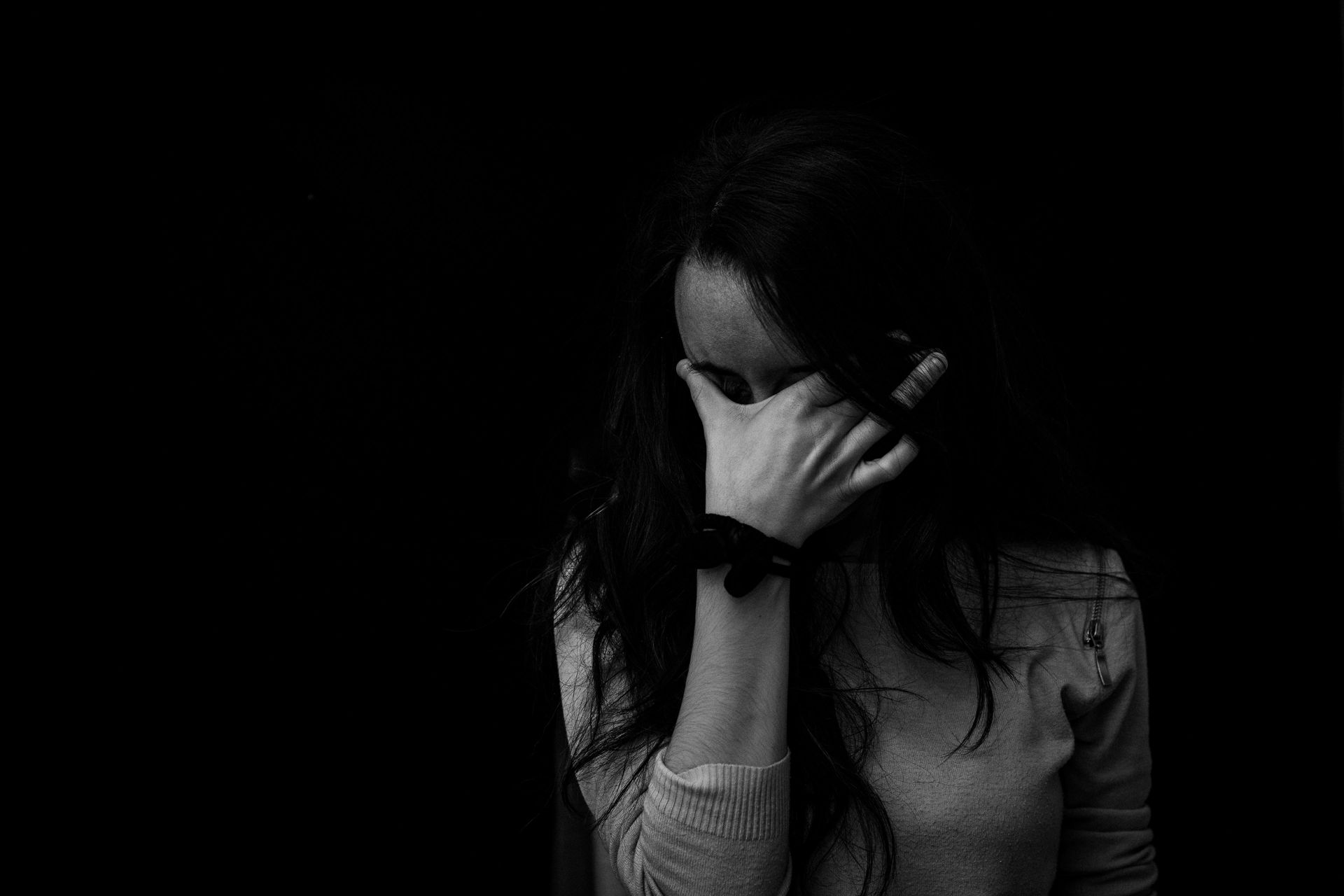
Do you want to know something about me? Something I’ve hidden so well for so long? I dread this day, Every. Single. Year. YES. I dread Mother’s Day. For me, it is a day full of unbearable grief, loss, sadness, and feelings of paralyzing hopelessness. My heart breaks at the brokenness of adoption that made me a mom to begin with. The loss…the primal wound, the guilt, sadness, and shame of abandonment. At its core, adoption begins with immense tragedy, trauma, and loss which is oftentimes overlooked. Many people see adoption solely through the lens of beauty, joy, and redemption. But redemption by definition is to be rescued from evil or sin. Last time I checked, no one needs to be rescued from beauty or joy… I never thought I’d be the nurturing enemy to the two kids who made me a mom. The person they hated the most because my love for them left them feeling too vulnerable. I couldn’t have possibly fathomed six years ago that our marriage would nearly be destroyed by their fearful manipulation and false allegations. But here we are. And it breaks my heart. I never imagined that I’d have to live with such grief around infertility and miscarriages.That I’d have to navigate my own feelings of failure and disappointment, and wishing that I didn’t have to suppress my tears around letting my family down, just so I can get out of bed in the morning. I have always longed to be a Mother. To teach, to learn, to grow together and invest in my OWN family. I’ve been given the gift of investing in so many other kiddos and families as a nanny, and that has been one of my life’s greatest blessings. But I never once expected that I’d be robbed of that opportunity in my own family. I know many of us Moms carry so many different reasons for why today is hard. We each have our stories, our losses, our deep grief. We wrestle with our own thoughts and feelings of inadequacy and shortcomings. But today, instead of wishing you a “Happy” Mother’s Day, I just want you to know that it’s okay to not always feel happy. I see you and I’m here for all the UNHAPPY pieces, too. I wrote this back in 2024 for Mother's Day. And while much of it still rings true today, I want to acknowledge what is different this year. This year, 2026, the paralyzing hopelessness is less paralyzing. It's more like an unwelcome visitor every once in a while. I can dismiss it more quickly. Move through it with more confidence. And look ahead when all I seemed to ever do for the last 16 years was look behind me. I never thought this would be possible. Even last year. I thought I would be stuck, left to grieve for the rest of my life. And yes, there is still grief. But it's not all that there is. Today, I can see a clear path ahead, and a gracious, faithful God when I look back. I can see His hand all along, moment by moment, step by step, making a way in the wilderness. Every tear. Every time I curled into a ball because it was all I could do. Every question, every fear, and every "why" feel like they have meaning and purpose, now. It has never been more clear to me... that purpose is Salvo. So I just want to reiterate, that whatever feelings Mother's Day 2026 brings up for you, know that those feelings are real and valid. And they are also not the end of your story . They are part of the bigger picture and a greater plan, however dark it may feel in the middle of the storm. We have a God that uses ALL THINGS for His glory. There is purpose in our pain. And until He reveals that purpose, Salvo will be in the trenches, fighting alongside you.
"This has been one of the most devastating and difficult journeys of our life."
Hebrew word: rinnah (רִנָּה)
Why Your Church is Needed in This Mission

SALVA'TION, n. L. salvo , to save. 1. The act of saving; preservation from destruction, danger or great calamity. ( KJV Dictionary)